The Room They'll Actually Want to Do Homework In: Designing Kids' Rooms Before the School Bell
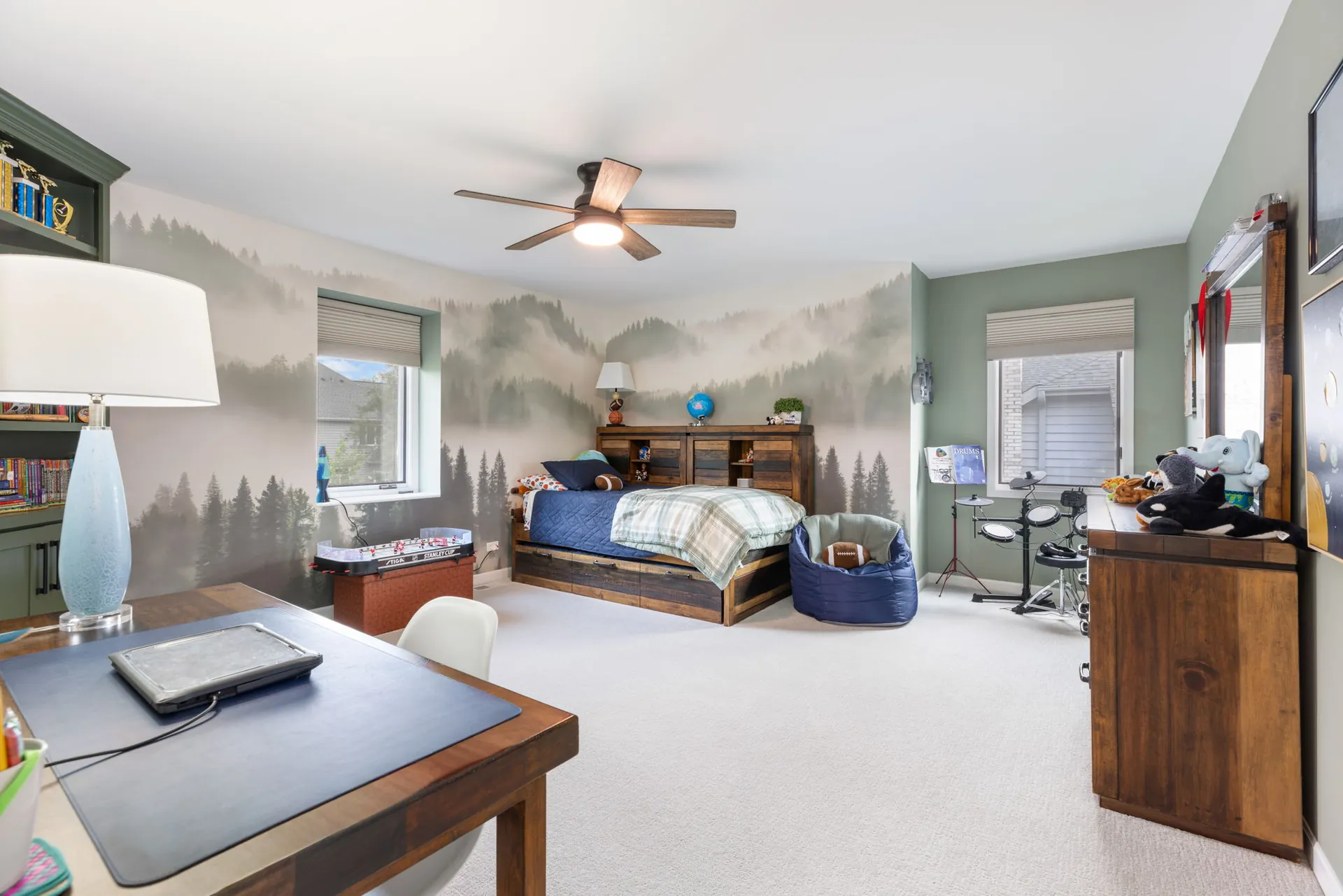
There is a narrow window every year, roughly the last week of July through mid-August, when a child's bedroom can be genuinely transformed before the school year swallows everyone's calendar. It is short, and it is the busiest stretch of our summer for exactly that reason. The rooms that come out of it well tend to have one thing in common: they were designed for the kid who will be sleeping there in five years, not the one sleeping there now.
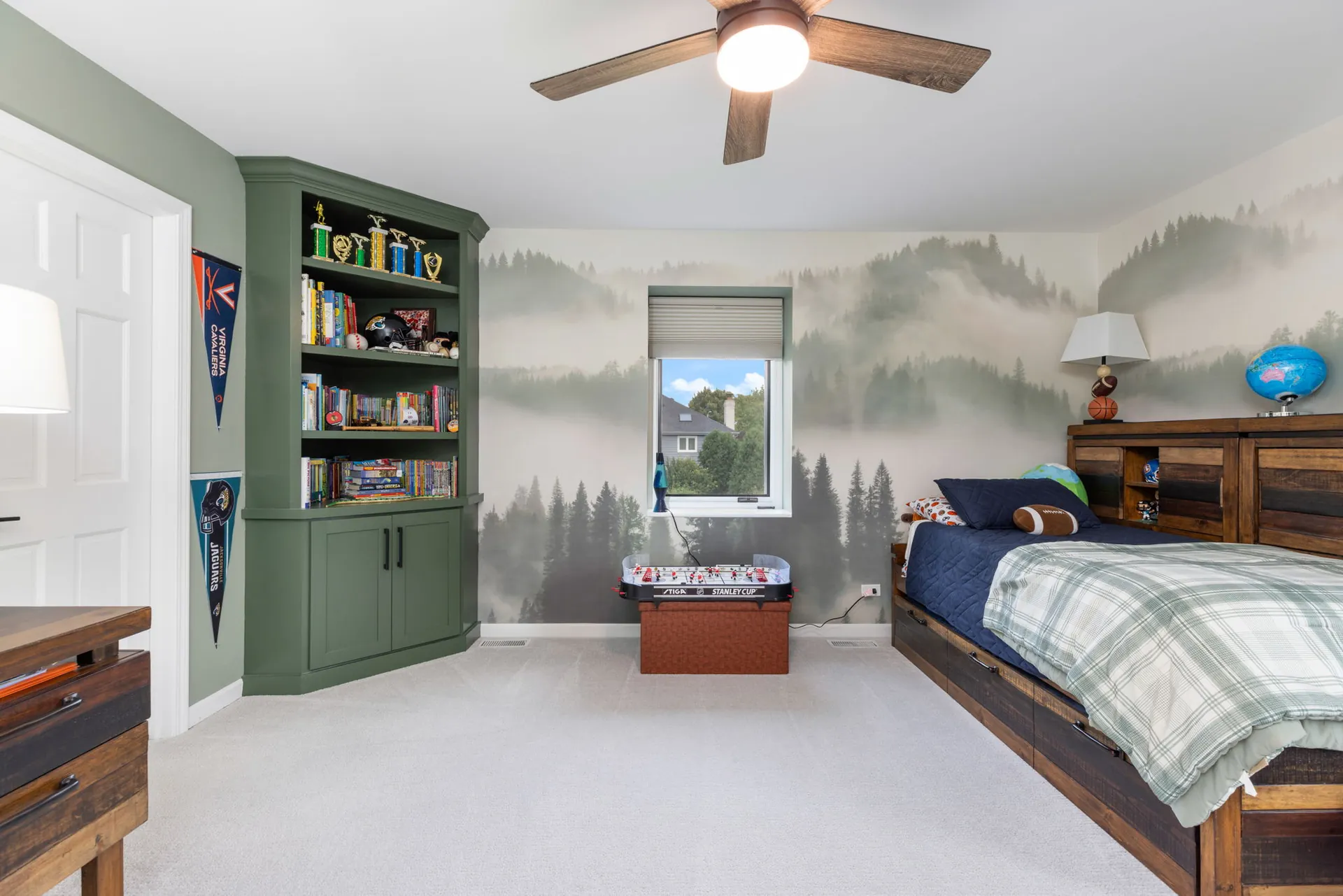
A painted built-in that will outlast every phase
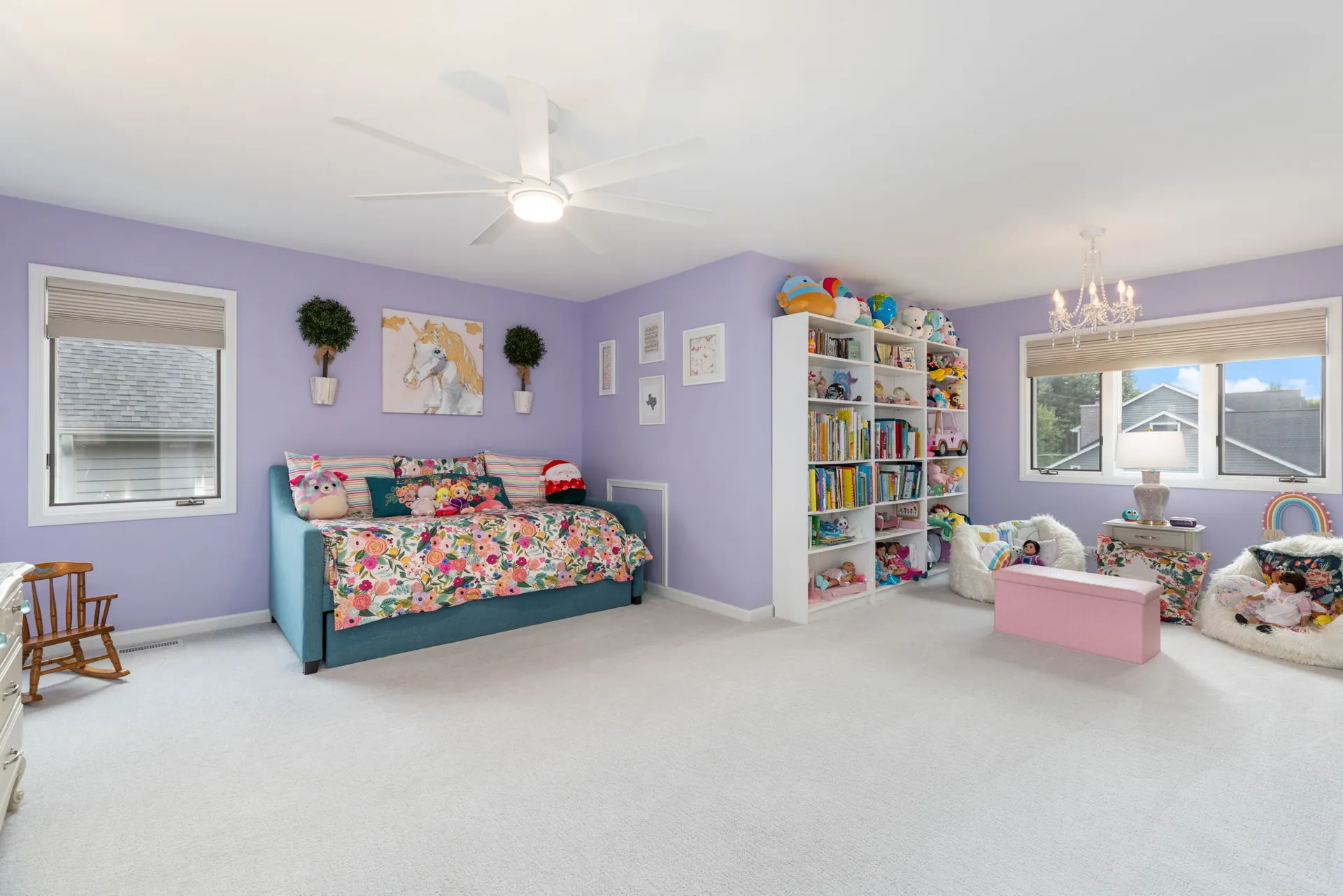
A daybed reads as a sofa when the dolls go
Design for the Kid They're Becoming
The most expensive mistake in a child's room is buying the theme. Race car beds, castle bunks, and licensed-character everything are thrilling at six and mortifying at eleven, and they are almost always the priciest items in the room. Invert the spending. Put money into the things that do not age, the built-ins, the lighting, the flooring, the window treatments, and keep the age-specific layer in bedding, art, and accessories that cost forty dollars to replace.
A useful test: if your child's interests changed completely tomorrow, what would you have to throw away? If the answer includes furniture, reconsider.
Murals Beat Themed Furniture
A wall mural is the highest-impact, lowest-regret move available in a child's room. It transforms the space completely, it costs a fraction of custom furniture, and when it is time for it to go, it comes down in an afternoon. The trick is choosing subject matter that is atmospheric rather than literal. A misty forest wrapping three walls will still be beautiful when the kid is fifteen; a cartoon jungle will not. We paired one recently with plain green paint on the remaining wall and a green built-in bookcase, and the room reads as designed rather than decorated.
For young children, murals also do something a poster cannot: they make the room feel like a place rather than a container. Our wallpaper post covers where large-scale patterns work best throughout the house, and children's rooms are near the top of that list.
Built-Ins That Grow Up
Custom shelving is the workhorse of a children's room and the piece most likely to survive to adulthood. Design it to hold small bins and picture books today and textbooks and a laptop in eight years. That means adjustable shelves, not fixed, with a mix of open bays and closed cabinets below, where the genuinely ugly plastic phase of childhood can be shut behind a door.
Paint it a real color. A green or navy bookcase is more interesting than a white one, hides fingerprints far better, and grounds a room whose contents are otherwise a riot. Use a catalyzed finish; these shelves get climbed on.
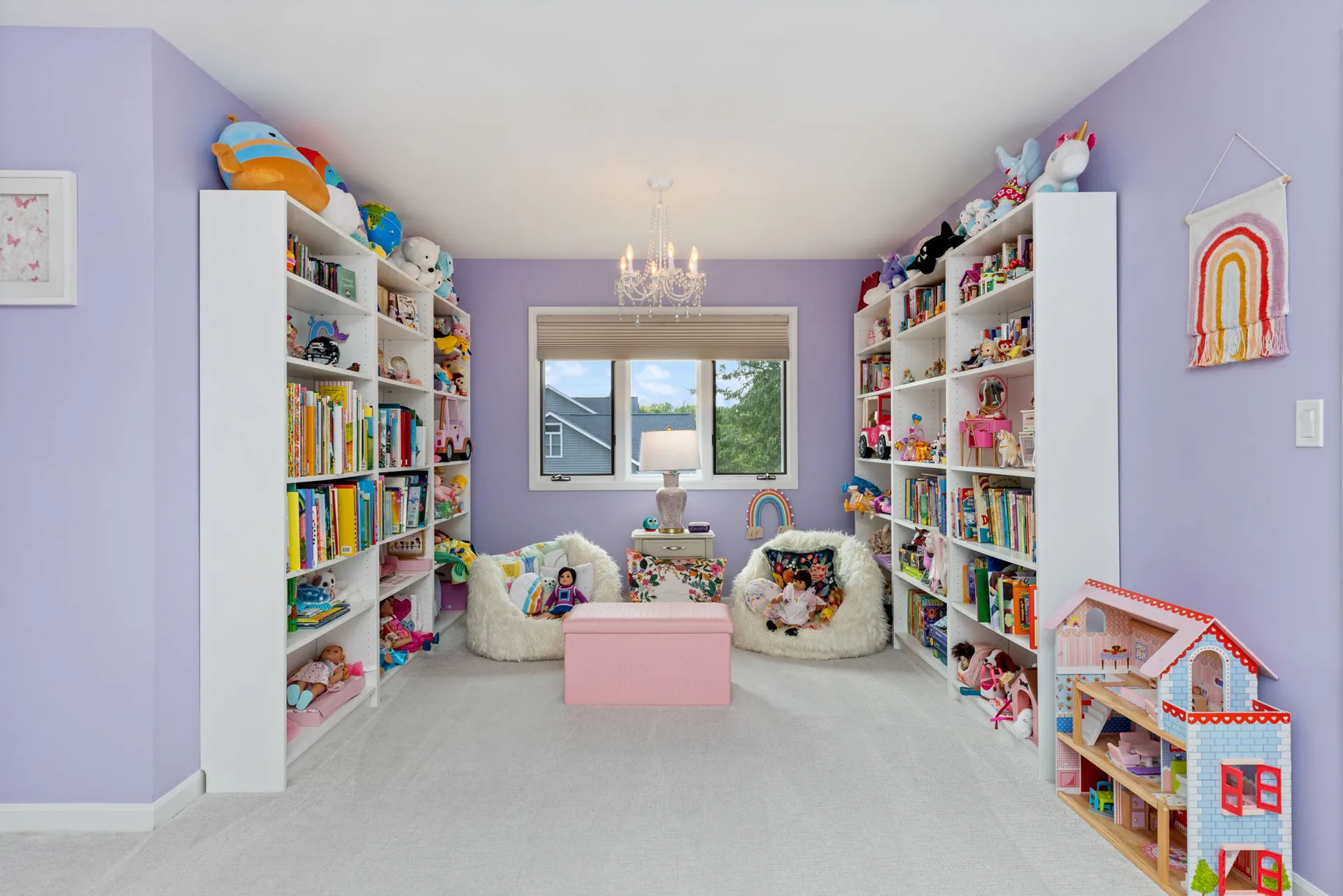
Floor-to-ceiling shelving turns a room into a library
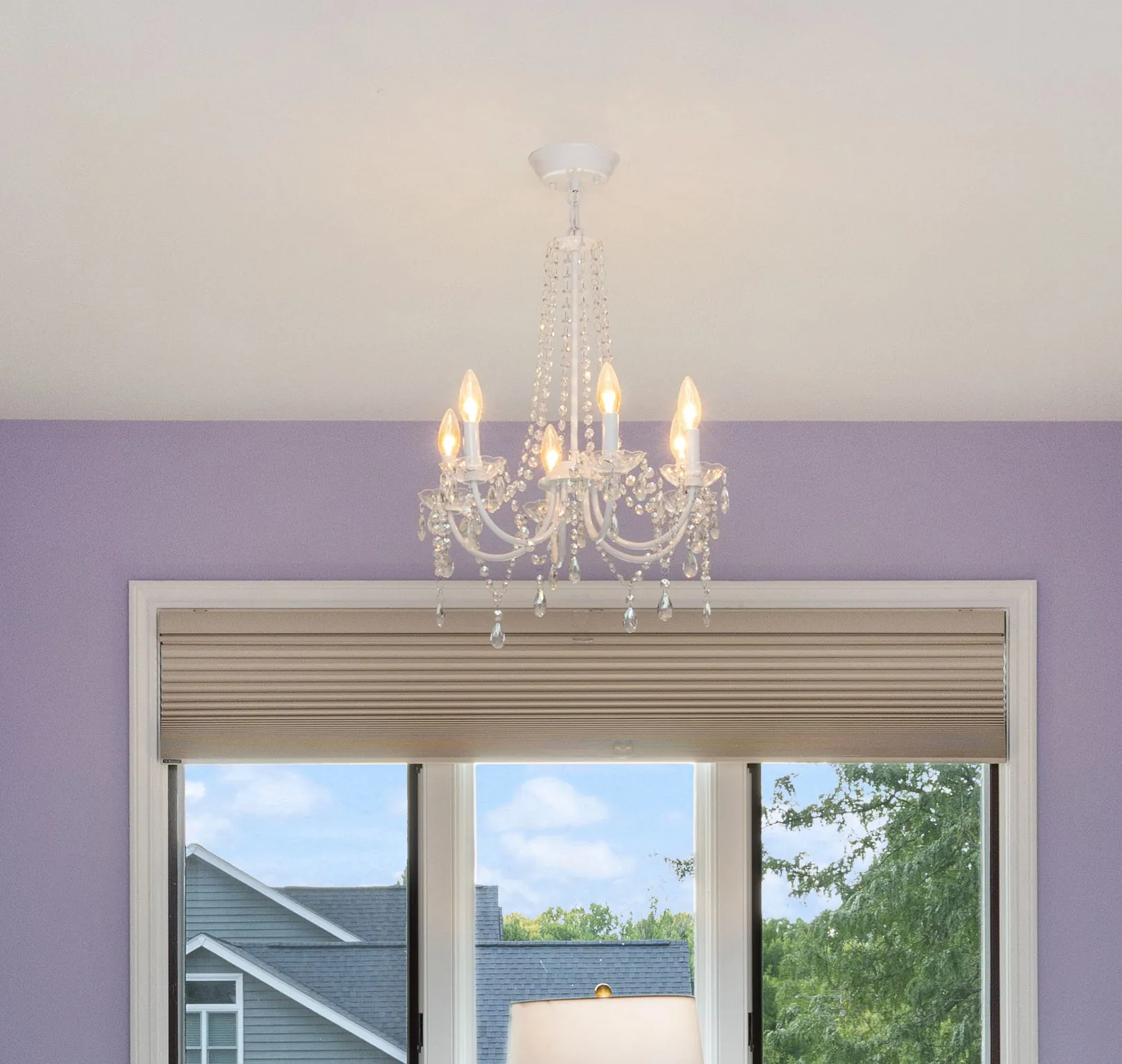
Real lighting, not a builder-grade dome
A Homework Surface That Is Not the Bed
By third or fourth grade, a child needs a work surface with a real chair and real light. It does not need to be a desk in the traditional sense, a built-in counter along a wall is better, because it is deeper at the ends for storage and it cannot be outgrown. Locate it near a window if you can, with the light coming from the side rather than the front, and put a dedicated task lamp on it regardless. The overhead fixture will always cast a shadow onto exactly the page they are reading.
Run power to the surface. In three years there will be a laptop, a tablet, and a charger competing for it.
Lighting Kids Actually Use
Children's rooms are almost universally under-lit, and the fix is inexpensive. You want three things: a ceiling fixture worth looking at, a task light at the work surface, and a soft bedside light the child can operate independently. The ceiling fixture is where we encourage people to have some fun, a small crystal chandelier in a lavender bedroom costs less than a decent lamp and does more for the room than anything else in it.
Put the overhead on a dimmer. Bedtime is easier in a room that can go warm and low without going dark.
The Practical Layer
Two more things worth getting right. Window treatments in a child's room should be room-darkening and, critically, cordless, cellular shades are our default for both reasons. And the flooring takes more abuse than any other room in the house; a plush carpet is worth it for floor play at young ages, and a good pad matters more than the fiber for how it feels underfoot.
Olive + Baxter designs children's rooms and playrooms as full projects, cabinetry, wall finishes, lighting, flooring, and window treatments from one team in Naperville. If you want it done before the first day of school, explore our Interior Design services or contact us now, because this window closes fast.