Selling in the Spring? The Staging Work Starts in January
Every year the same call comes in during the second week of March. The house is going on the market in ten days, the photographer is booked, and the sellers have just looked at their family room with a buyer's eyes for the first time. Ten days is enough to tidy. It is not enough to paint, repair, edit a house full of belongings, and bring in the handful of pieces that make the listing photos work. Sellers who start in January get to do all of it calmly, in the right order, and they go to market with a house that looks finished instead of rushed. If you are thinking about selling in the spring, this is the schedule we would put you on.
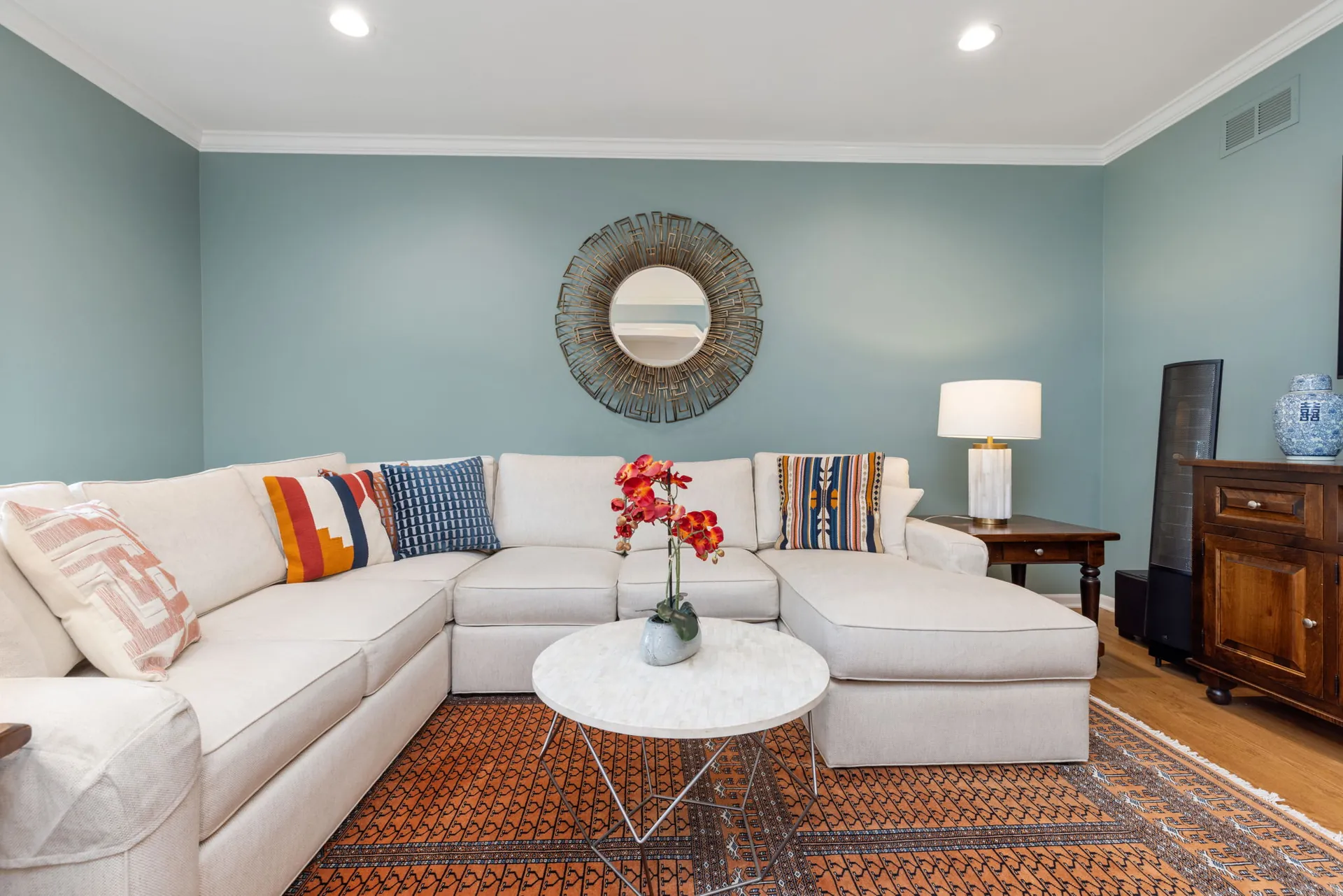
A living room we staged: clear paths, one focal point, nothing extra
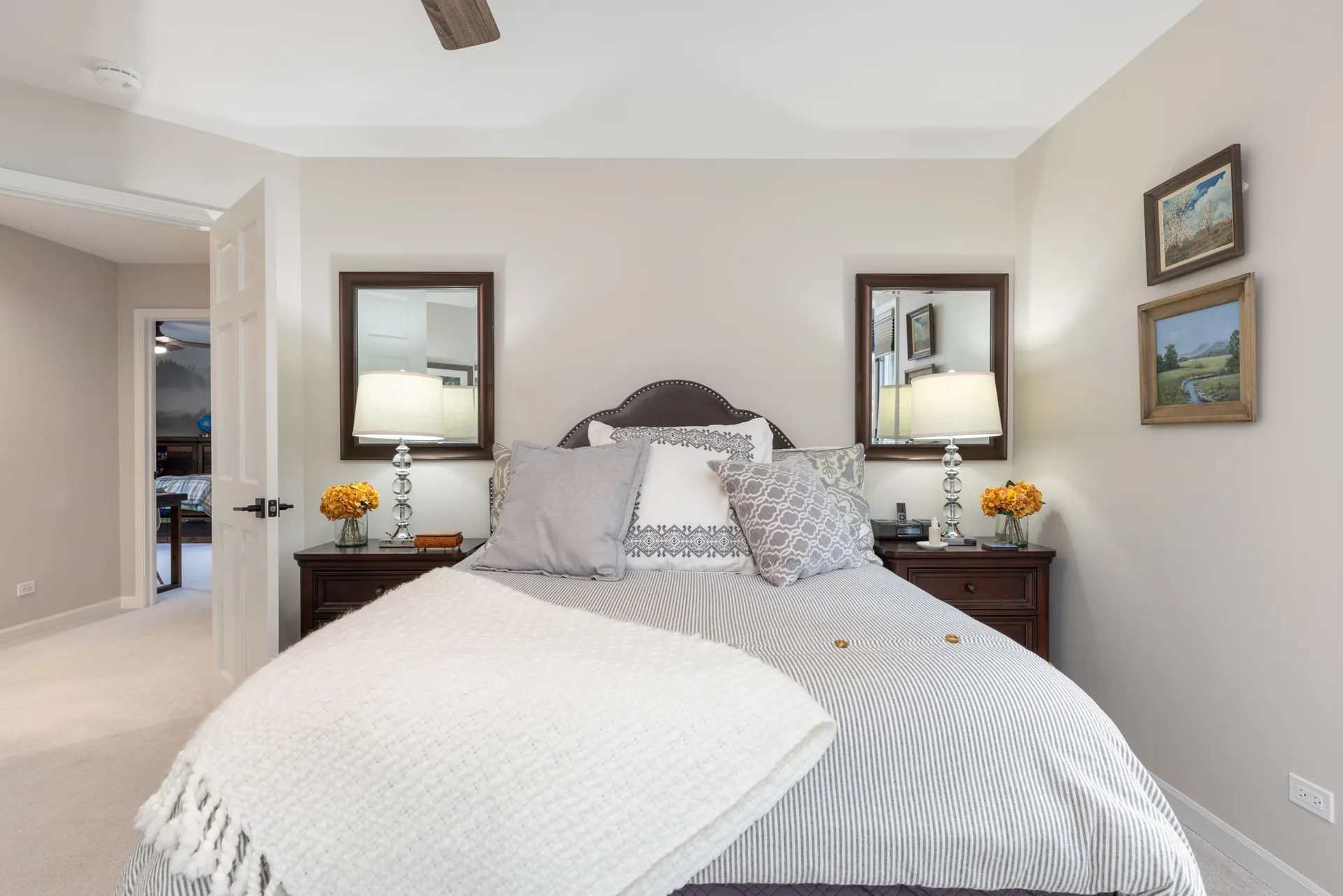
Symmetry and simple bedding photograph well from the doorway
January: Walk the House Like a Stranger
Staging begins with a walk-through, and the most useful thing we bring to it is that we have never lived in your house. You stopped seeing the chipped corner on the stair wall and the dining chairs that block the path to the kitchen years ago. A buyer sees them in the first thirty seconds. We walk every room with a list and sort what we find into three groups: things to remove, things to repair, and things to add. The first list is always the longest.
January is also when you decide what you are not going to do. A seller does not need a new kitchen. A seller needs the kitchen they have to look clean, bright, and cared for. Part of our job in that first walk is talking people out of projects that will not come back at the closing table and pointing them toward the small ones that will.
Late January Into February: Edit, Then Repair, Then Paint
The order matters. Editing comes first, because you cannot see what a room needs while it is full. Our rule of thumb is that a staged home holds roughly half of what a lived-in home holds: half the books on the shelves, half the furniture in the family room, half the hanging clothes in the closets, and almost nothing on the kitchen counters. Family photos, collections, and anything that tells a buyer exactly who lives here get packed. The point is not that your things are wrong. The point is that buyers need room to picture their own.
Repairs come second: the sticky door, the cracked switch plate, the caulk line around the tub, the burned-out bulbs in three different color temperatures. None of these is expensive and all of them photograph. Paint comes last, once the walls are clear and patched. Not every room needs it, but any room in a strong personal color usually does, and so do scuffed hallways and stairwells. We choose from a short list of warm whites and soft neutrals that read well on a phone screen, which is where most buyers will meet your house. Our post on paint colors that sell homes goes deeper on the palette, and choosing the right white explains why the undertone matters more than the name on the can.
Which Rooms Get the Attention
Staging effort is not spread evenly across the house. Buyers weigh the entry, the living room, the kitchen, and the primary bedroom far more heavily than the fourth bedroom or the basement storage room, so that is where we concentrate. The entry gets a console, a mirror, and a lamp so the first step inside feels deliberate. The living room gets arranged around one focal point, usually the fireplace or the best window, with furniture pulled off the walls and a clear path through. The kitchen gets cleared until it almost feels bare in person, because bare in person reads as spacious in a photo. The primary bedroom gets hotel bedding, matching lamps, and nothing on the dresser.
Secondary rooms need a job. A room holding a treadmill, a desk, and a guest bed tells a buyer the house is short on space. The same room set up as one thing, an office or a guest room, tells them the house has an extra room.
Occupied and Vacant Homes Are Two Different Jobs
If you are living in the house while it sells, we work mostly with what you own. We rearrange, remove, and then supplement: new pillows and bedding, a larger rug, a pair of lamps, art scaled to the wall, fresh greenery. It is lighter work, and it leaves you with a house you can still live in, with a short checklist for the fifteen minutes before a showing.
A vacant house is harder to sell than people expect. Empty rooms look smaller, not larger, because there is nothing in them to give a sense of scale, and every scuff and settled corner is on display with no furniture to distract from it. For vacant homes we bring in furniture and decor for the rooms that matter and leave the rest clean and empty. That takes more lead time, because the pieces have to be selected, scheduled, and delivered, which is one more reason the conversation belongs in January.
Stage for the Camera First
Most buyers decide whether to visit from the listing photos, so we stage for the angles a photographer actually shoots: from the doorway, from the corner, and toward the windows. That changes decisions. A chair that looks fine in person can block half the room from the doorway. A dark throw on a dark sofa disappears. We check each main room from the doorway with a phone before we call it done, and we coordinate with your agent so the photographer arrives the day after staging, not the week after.
The Winter Advantage
There is a practical reason to do this work in winter. Painters and handymen have more room in their schedules in January and February than they will in April. You have time to live with a decision for a week and change it. And the homes that list in the first weeks of the spring market do it against less competition than the ones that list in May. Being early is only possible if the preparation is already finished.
Olive + Baxter is a design and build studio in Naperville with a showroom at 535 S Washington St, Suite 7. Our designers stage occupied and vacant homes across Naperville and the western suburbs, and we work alongside your listing agent rather than around them. Explore our Home Staging services or contact us to schedule a January walk-through.